
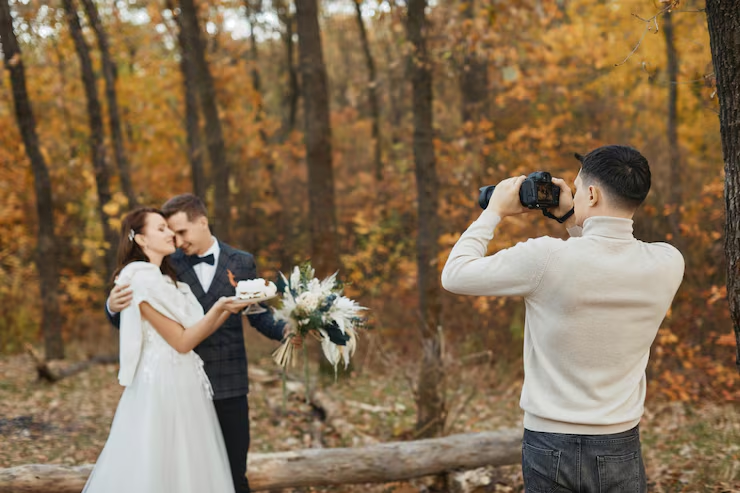
Building a Shot List That Actually Works on Your Wedding Day
A photo shot list is one of the most useful planning tools a couple can give their photographer — but only if it is built the right way. A list that is too long creates timeline pressure. One that is too vague leaves out the images that matter most. Getting it right requires a bit of structure and some honest thinking about who and what needs to be in the frame.
Start With the Non-Negotiables
Before anything else, identify the photographs that have to happen regardless of how the day unfolds. These are typically: immediate family groupings, the wedding party as a full group, the couple alone, and a few specific detail shots — rings, florals, the ceremony space before guests arrive. This is the core list that the photographer will protect no matter what. Everything else builds outward from here.
How to Structure Family Formals
Family formal portraits are where most shot lists go wrong — not because couples forget people, but because the organization of the list is inefficient. The most time-effective approach is to work from the largest group to the smallest: full immediate family, then each family unit, then subsets (grandparents, siblings, specific combinations). This means you are releasing people progressively rather than repeatedly calling the same people back.
Write family groupings by relationship, not by name. “Bride with parents” is clearer on the day than “Sarah with John and Maria.” Your photographer can match the groupings to the faces on the list; they need the structure, not the names.
The Details That Get Forgotten
Many couples focus their photo shot list for wedding entirely on people and miss the detail shots that ultimately make an album feel complete and specific to their day. Consider: the invitation suite, the ceremony program, the menu cards, the table arrangement, any personalized décor elements, the cake before it is cut, the cocktail hour setup, the shoes, the jewelry, anything handmade or heirloom. These images may not feel essential in the planning phase, but they are the ones that place you in that specific day rather than any wedding day.
Candid Moments Need to Be Listed Too
Not every photograph on a shot list needs to be a posed group. Some of the most important images from a wedding are specific candid moments: a grandparent seeing the couple for the first time, a child in the wedding party during a quiet moment, siblings sharing a reaction during a toast. If there is a specific person or relationship that matters deeply and you want it documented, list it. A good photographer will look for those moments naturally — but knowing they are a priority ensures they stay on the radar throughout the day.
Keep It Realistic for Your Timeline
A common mistake is building a shot list without reference to the portrait window in the timeline. If you have thirty minutes between ceremony and reception for couple portraits and family formals, a list of forty family groupings is not workable. As a rough guide, allocate two to three minutes per formal grouping. A tight, focused list of fifteen to twenty formals with a forty-minute window produces better results than an overambitious list that creates stress for everyone.
You can find a detailed breakdown of how to structure formal portraits, organize family groups, and plan your couple portrait time in this guide from Lenny and Melissa, which covers the full shot planning process from prep shots through the reception.
Share the List the Right Way
Send the finalized list to your photographer at least two weeks before the wedding — not the day before. Give your photographer time to ask questions and flag anything that needs adjustment. On the day itself, designate a family member or member of the wedding party who knows everyone by sight to help organize the family formals. This single decision speeds up the portrait block significantly and removes pressure from the photographer and the couple.
A Final Thought on Trusting the Process
A shot list is a floor, not a ceiling. It ensures the essential photographs happen. But the images couples end up treasuring most are frequently the ones no one planned — a laugh between the couple during a quiet moment, a genuine reaction caught between organized shots, a parent watching from the side. The shot list protects the planned; a skilled photographer finds the unplanned. Both matter. Building the list well creates the space for both to happen.