
Everything You Need to Know About Telecom Battery Systems
In today’s fast-paced digital landscape, ensuring continuous connectivity is paramount. Telecom towers play a crucial role in maintaining our communication networks, and the reliability of these towers largely depends on effective power solutions. One of the most critical components in this setup is the battery system that supports these towers. Understanding the intricacies of telecom battery systems can help in making informed choices, ensuring that networks remain operational even during power outages.
The Role of Battery Systems in Telecom
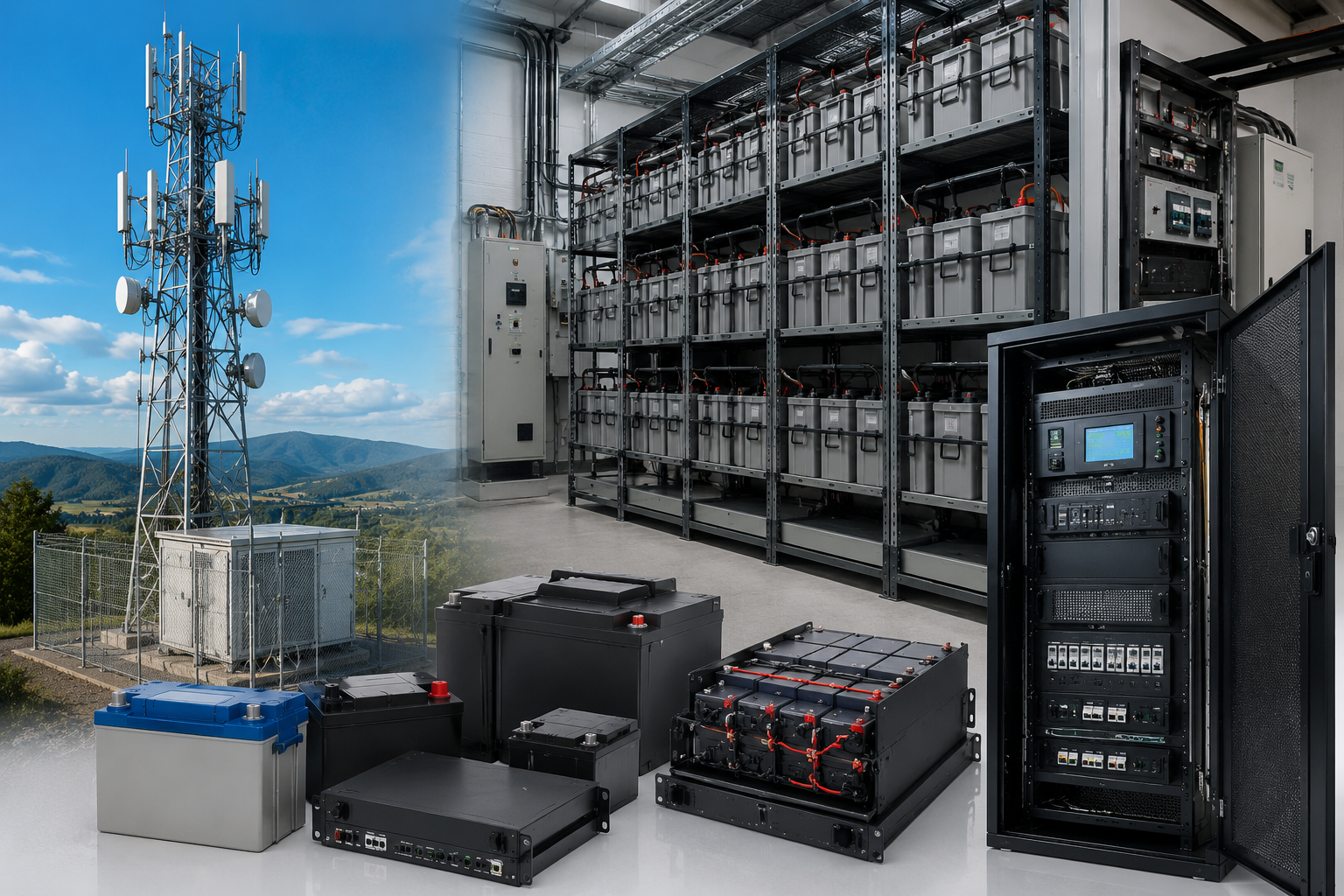
Battery systems serve as the backbone of telecom infrastructure. They provide the necessary power to keep telecom towers functioning during power failures, which is crucial for maintaining uninterrupted service. A telecom backup battery is specifically designed to deliver consistent power, ensuring that communication networks remain operational regardless of external power conditions.
These battery systems are engineered to withstand various environmental challenges, including temperature fluctuations and physical impacts. This resilience is vital because telecom towers are often located in remote or harsh environments where power grid reliability can be an issue.
Types of Batteries Used in Telecom Towers
Several types of batteries are used to support telecom towers, each with unique advantages:
- Lead-Acid Batteries: These are the most traditional type and are known for their reliability and cost-effectiveness. However, they require regular maintenance and have a shorter lifespan compared to newer technologies.
- Lithium-Ion Batteries: These batteries have gained popularity due to their longer lifespan, higher energy density, and lower maintenance requirements. They are more expensive initially but can be more cost-effective over time.
- Nickel-Cadmium Batteries: Known for their durability and ability to operate in extreme temperatures, these batteries are often used in environments where other battery types might fail.
Innovations in Telecom Battery Technology
The telecom industry is witnessing significant advancements in battery technology. Innovations are focused on improving energy efficiency, reducing environmental impact, and enhancing the overall reliability of battery systems. For instance, smart battery management systems are now being integrated to monitor and optimize battery performance in real-time, extending the life of the batteries and reducing maintenance costs.
Moreover, developments in battery materials are paving the way for more sustainable and efficient power solutions. For example, researchers are exploring solid-state batteries that offer higher energy densities and improved safety features.
Key Considerations for Choosing a Battery System
When selecting a battery for telecom towers, several factors should be considered:
- Capacity and Scalability: Ensure the battery system can meet current demands while offering scalability for future expansion.
- Environmental Conditions: Choose a battery system that can withstand the specific environmental conditions of the tower location.
- Maintenance Requirements: Consider the maintenance needs and choose a system that aligns with available resources and logistics.
- Cost: Evaluate the initial investment against the long-term savings, considering factors like lifespan and energy efficiency.
The Impact of Reliable Battery Systems
Reliable battery systems are essential for maintaining the integrity of telecom networks. According to a report by MarketsandMarkets, the global telecom power system market is projected to grow significantly, driven by the increasing demand for reliable and efficient power solutions. This growth underscores the critical role of robust telecom battery backup systems in ensuring uninterrupted communication services.
Challenges and Future Directions
Despite advancements, challenges remain in the telecom battery sector. These include the need for more sustainable materials and the pressure to reduce costs while improving efficiency. The future of telecom batteries lies in continued innovation, focusing on achieving a balance between performance, cost, and environmental impact.
Researchers and manufacturers are working towards developing batteries with higher capacities and faster recharge times, which will be crucial as telecom networks expand and data demands increase.
Conclusion
In the ever-evolving telecom landscape, the importance of robust battery systems cannot be overstated. By understanding the different types of batteries, their applications, and the latest technological advancements, stakeholders can make informed decisions that enhance network reliability and efficiency. As the industry continues to grow, investing in advanced telecom battery solutions will be key to staying ahead in a highly competitive market.