
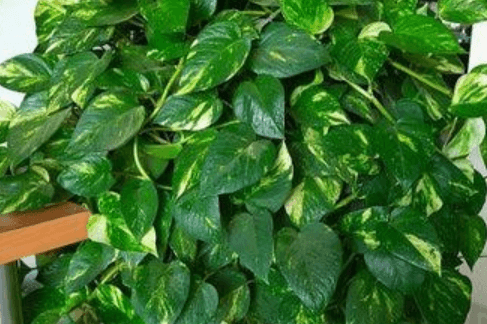
Money Plant: Benefits, Care Tips, and Best Varieties for Home
The money plant is one of the most popular indoor plants across Indian households and offices. Known for its lush green trailing vines and easy maintenance, it is often associated with good luck, prosperity, and positive energy. Scientifically, the most common money plant belongs to the species Epipremnum aureum, also known as pothos or devil’s ivy.
Whether you are a beginner or an experienced plant lover, the money plant is a great addition to your home. It improves indoor air quality, enhances décor, and grows well even with minimal care.
What is a Money Plant?
The money plant (Epipremnum aureum) is a tropical vine native to Southeast Asia. It is widely grown indoors because it adapts easily to low light conditions and requires very little maintenance.
In Indian homes, it is often grown in water bottles, soil pots, hanging baskets, or even as a decorative climber on walls and balconies. Its heart-shaped green leaves symbolize freshness and prosperity in many cultures
Benefits of Money Plant at Home
1. Improves Air Quality
One of the biggest advantages of keeping a money plant indoors is its air-purifying ability. It helps remove toxins like formaldehyde, carbon monoxide, and benzene from the air, making your living space healthier.
2. Brings Positive Energy (Vastu & Feng Shui)
According to Vastu Shastra and Feng Shui, the money plant attracts wealth, prosperity, and positive energy when placed in the right direction, usually the southeast corner of the home.
3. Low Maintenance Indoor Plant
Unlike many decorative plants, money plants do not demand constant attention. They survive in low light, irregular watering, and even in water-filled containers.
4. Enhances Home Décor
Its trailing vines and vibrant leaves make it a perfect decorative element for modern interiors. It can be placed in hanging pots, glass bottles, or wall planters to enhance aesthetics.
5. Reduces Stress and Improves Mood
Having greenery indoors has been linked to reduced stress levels. The presence of money plants can create a calming and refreshing environment.
How to Care for a Money Plant?
1. Light Requirements
Money plants grow well in indirect sunlight. Direct harsh sunlight can burn the leaves, while low light helps maintain steady growth. A bright indoor corner is ideal.
2. Watering Needs
Watering should be moderate. Overwatering can cause root rot, especially in soil-grown plants. For water-grown money plants, change the water every 7–10 days.
3. Soil and Potting
Use well-draining soil mixed with compost or coco peat. Ensure the pot has drainage holes to avoid waterlogging.
4. Temperature Conditions
Money plants thrive in temperatures between 18°C to 30°C, making them perfect for Indian climates.
5. Pruning and Maintenance
Regular pruning encourages bushier growth. Trim long vines to maintain shape and remove yellow or damaged leaves.
6. Fertilization
Feed the plant with a mild liquid fertilizer once a month during the growing season (spring and summer) for better foliage growth.
Best Varieties of Money Plant for Home
1. Golden Money Plant
This is the most common variety found in Indian homes. It has green leaves with golden-yellow streaks and grows rapidly even in low light.
2. Marble Queen Money Plant
Known for its striking white and green marbled leaves, this variety adds a premium decorative look to interiors but grows slightly slower than the golden type.
3. Neon Money Plant
The neon variety stands out due to its bright lime-green leaves. It adds a vibrant pop of color to dull indoor corners.
4. Jade Money Plant
This variety has solid dark green leaves without variegation. It is extremely hardy and tolerates very low light conditions.
5. Big Money Plant (Large Growth Variety)
The big money plant is ideal for those who want a fuller, bushier, and more dramatic indoor plant display. With proper care, money plants can grow into large trailing vines that cover walls, balconies, or stand as statement pieces in living rooms. These large versions are often used in decorative floor pots and corner planters to create a natural green focal point inside the home.
Common Problems and Solutions
Yellowing Leaves
This usually happens due to overwatering. Reduce watering and ensure proper drainage.
Slow Growth
Lack of nutrients or insufficient light can slow growth. Move the plant to a brighter location and fertilize lightly.
Root Rot
Caused by excess water. Remove affected roots and replant in fresh, well-draining soil.
Where to Keep a Money Plant in the Home?
- Living room corners for décor and air purification
- Balcony railings for trailing growth
- Kitchen windows for freshness
- Office desks for stress reduction and positivity
Avoid placing it in direct sunlight or extremely dark areas.
Buy Money Plant Online
If you are planning to add greenery to your home, the easiest way is to buy money plant online from trusted plant nurseries. One of the best options is Urvann, where you can find healthy and well-rooted indoor plants delivered to your doorstep.
We also offer same-day online delivery for money plants, making it convenient to decorate your home instantly or gift plants to loved ones. Whether you want a golden pothos, neon variety, or marble queen, ordering online ensures you get fresh plants with proper packaging and care instructions.
FAQs
- Is money plant good for home?
Yes, money plants are considered highly beneficial for homes. They improve air quality, enhance décor, and are believed to bring positive energy and prosperity according to Vastu and Feng Shui.
- In which direction to keep money plant?
The best direction to place a money plant is the southeast corner of the home or room, as it is associated with wealth and positive energy.
- Can I spray my money plant with neem oil?
Yes, neem oil can be sprayed in diluted form to protect the plant from pests like aphids and mealybugs. It should be used once every 2–3 weeks if needed.
- What are common money plant problems?
Common issues include yellowing leaves due to overwatering, slow growth due to lack of light, and root rot caused by poor drainage. Proper care and balanced watering can easily prevent these problems.
For More Info Visit:- scribblesage.com