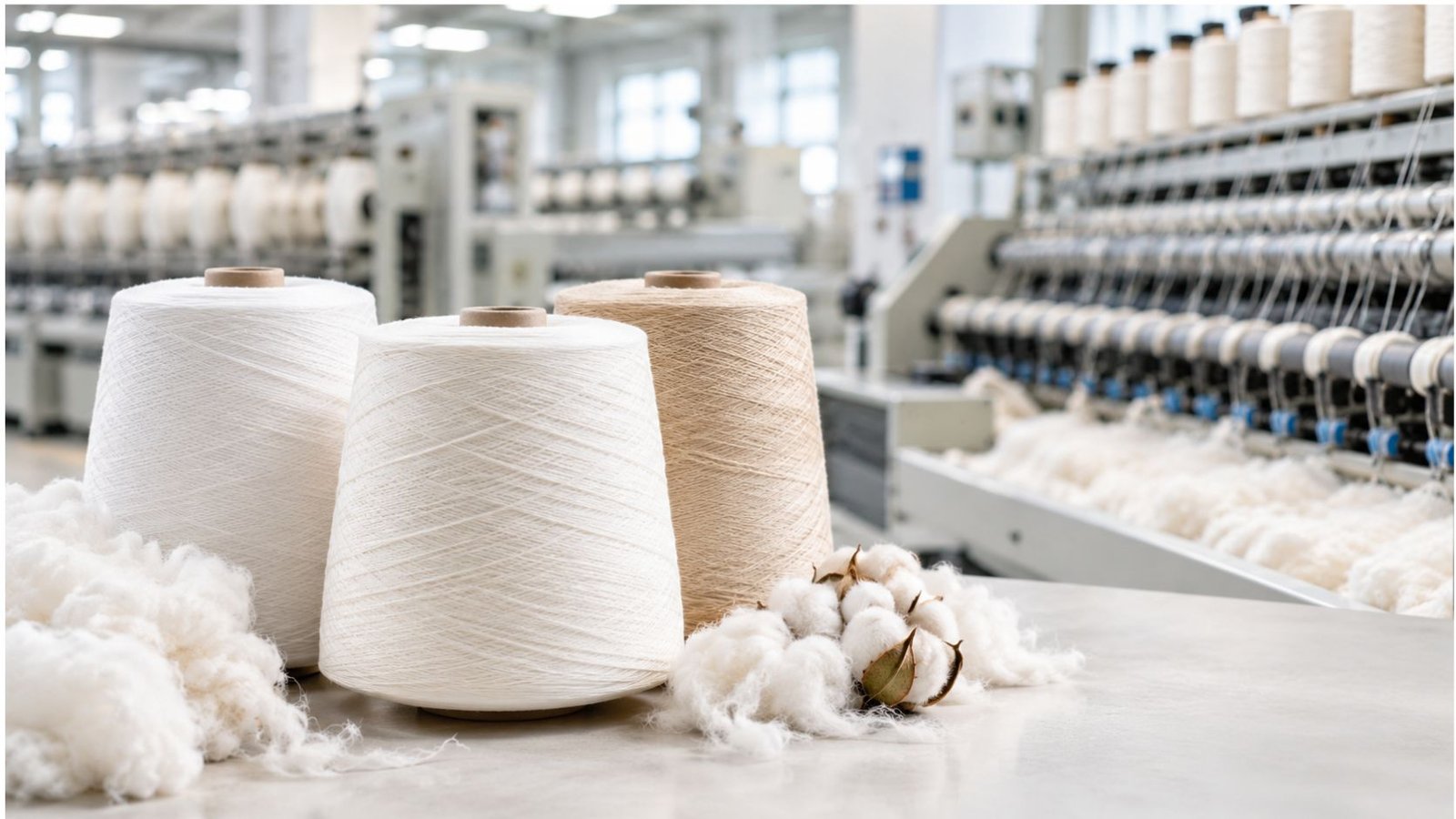
Combed Cotton Yarn Explained: What It Is, How It’s Made, Types, Uses & Why It’s Better
When shopping for premium T-shirts, luxury bed sheets, or soft baby clothes, you’ve probably seen the term combed cotton. But what does combed cotton actually mean, and why is it considered better than regular cotton?
The answer lies in an extra manufacturing step called combing, which removes shorter fibers and impurities from cotton before it’s spun into yarn. The result is a smoother, stronger, and more durable yarn that produces higher-quality fabrics.
In this guide, you’ll learn what combed cotton yarn is, how it’s made, how it compares to carded cotton, its different types, common uses, pricing factors, and whether it’s worth the premium price.
Quick Answer: What Is Combed Cotton Yarn?
Combed cotton yarn is a premium cotton yarn made by passing carded cotton through fine combs that remove short fibers, neps, and impurities. This creates a smoother, stronger, softer, and more uniform yarn that is widely used in high-quality clothing, bedding, babywear, and luxury textiles.
Key Facts About Combed Cotton Yarn
|
Feature |
Combed Cotton Yarn |
|---|---|
|
Fiber Type |
Natural cotton |
|
Extra Processing |
Yes (Combing) |
|
Softness |
Excellent |
|
Strength |
Higher than carded cotton |
|
Pilling |
Lower |
|
Best For |
Premium apparel and home textiles |
|
Cost |
Higher than regular cotton yarn |
Table of Contents
-
What Is Combed Cotton Yarn?
-
What Does Combed Cotton Mean?
-
How Combed Cotton Yarn Is Made
-
Combed Cotton vs Carded Cotton
-
Combed Cotton Fabric vs Regular Cotton Fabric
-
Key Properties of Combed Cotton Yarn
-
Types of Combed Cotton Yarn
-
Understanding Yarn Counts
-
Common Uses
-
Advantages and Disadvantages
-
Is Combed Cotton Worth It?
-
How to Identify Genuine Combed Cotton
-
Sustainability
-
Global Market
-
Buying Guide
-
Common Myths
-
FAQs
What Is Combed Cotton Yarn?
Combed cotton yarn is a refined version of regular cotton yarn. Instead of using all cotton fibers after basic processing, manufacturers perform an additional combing stage that removes shorter and weaker fibers while aligning the remaining long fibers.
Think of it like brushing tangled hair until only the smoothest strands remain. The same idea applies to cotton fibers—the cleaner and more aligned they become, the better the final yarn performs.
Unlike some textile terms that describe a specific cotton variety, combed refers to the manufacturing process, not the cotton itself. The cotton can still be upland, Egyptian, Pima, Supima, or organic cotton.
Why Manufacturers Choose Combed Yarn
Manufacturers prefer combed yarn because it produces fabrics that:
-
Feel softer against the skin
-
Resist pilling better
-
Last longer after repeated washing
-
Accept dyes more evenly
-
Produce cleaner-looking garments
These qualities make it especially popular for premium fashion brands and high-end home textiles.
What Does Combed Cotton Actually Mean?
One of the most searched questions is: What does combed cotton mean?
Simply put, it means the cotton has gone through an extra refining process before spinning into yarn.
Is Combed Cotton Different From Regular Cotton?
Yes.
Both fabrics come from natural cotton plants, but regular cotton may contain more short fibers and tiny impurities. Combed cotton removes many of those imperfections, resulting in a finer and smoother material.
Is Combed Cotton 100% Cotton?
Often, yes.
Many products labeled “100% combed cotton” are entirely made from cotton. However, some manufacturers blend combed cotton with elastane, polyester, or modal to add stretch or improve durability.
Is Combed Cotton Synthetic?
No.
Combed cotton is still natural cotton. The difference lies only in the additional processing.
How Combed Cotton Yarn Is Made (Step by Step)
The manufacturing process is what separates combed yarn from ordinary cotton yarn. Each stage improves fiber quality before the yarn reaches weaving or knitting machines.
Step 1: Selecting Quality Cotton
Manufacturers typically choose longer staple cotton because longer fibers produce stronger and finer yarn.
The selection process considers:
-
Fiber length
-
Strength
-
Uniformity
-
Cleanliness
-
Micronaire (fiber fineness)
Step 2: Opening and Cleaning
Compressed cotton bales are opened and cleaned to remove:
-
Dust
-
Seeds
-
Leaves
-
Foreign particles
This creates a cleaner starting material for the next stage.
Step 3: Carding
Carding separates tangled fibers and forms them into a continuous sliver.
At this stage, the fibers become more organized, but shorter fibers still remain.
Step 4: The Combing Process
This is the defining stage.
Fine combs pass through the cotton sliver and remove:
-
Short fibers
-
Neps
-
Loose ends
-
Remaining impurities
The remaining fibers become highly parallel and uniform, creating the premium characteristics associated with combed cotton.
Step 5: Drawing
Multiple slivers are combined and drawn together to improve consistency before spinning.
Step 6: Ring Spinning
The refined fibers are twisted into yarn using ring spinning machines.
Many premium manufacturers also use compact spinning, which further reduces hairiness.
Step 7: Winding
The finished yarn is wound onto cones or bobbins while electronic clearers remove defects.
Step 8: Quality Testing
Before shipment, manufacturers test:
-
Evenness
-
Strength
-
Hairiness
-
Twist
-
Yarn count
This ensures consistent quality across production batches.
Combed Cotton vs Carded Cotton
The biggest difference between the two lies in fiber refinement.
|
Feature |
Combed Cotton |
Carded Cotton |
|---|---|---|
|
Processing |
Carding + Combing |
Carding only |
|
Softness |
Excellent |
Good |
|
Strength |
Higher |
Standard |
|
Pilling |
Low |
Higher |
|
Surface |
Smooth |
Slightly fuzzy |
|
Price |
Higher |
Lower |
Why Combed Cotton Feels Softer
Short fibers tend to stick out from yarn, creating fuzz and roughness.
Because combing removes many of these fibers, the finished fabric feels smoother against the skin.
Which Is Better?
Choose combed cotton if you want:
-
Premium T-shirts
-
Soft underwear
-
Baby clothes
-
Luxury bedding
Choose carded cotton if cost matters more than premium softness.
This comparison aligns with how textile manufacturers distinguish premium combed yarn from standard carded yarn.
Combed Cotton Fabric vs Regular Cotton Fabric
Many shoppers confuse yarn quality with fabric quality.
The yarn directly influences how the finished fabric behaves.
|
Feature |
Combed Cotton Fabric |
Regular Cotton Fabric |
|---|---|---|
|
Touch |
Silky |
Slightly rough |
|
Appearance |
Clean and refined |
More textured |
|
Pilling |
Less |
More |
|
Durability |
Better |
Standard |
|
Comfort |
Excellent |
Good |
Is Combed Yarn Fabric Better?
For garments worn close to the skin, yes.
The smoother yarn creates fabrics that feel noticeably softer while maintaining better durability over time.
Key Properties of Combed Cotton Yarn
Combed cotton earns its premium reputation through a combination of physical and performance benefits.
Exceptional Softness
Removing shorter fibers creates a remarkably smooth surface that feels comfortable even on sensitive skin.
Higher Strength
Long fibers create stronger connections within the yarn, reducing weak spots and improving durability.
Lower Pilling
Since fewer loose fibers remain, small fabric balls are much less likely to form during wear.
Better Dye Absorption
The cleaner fiber surface helps dyes penetrate more evenly, producing richer and longer-lasting colors.
Excellent Breathability
Like all natural cotton, combed cotton allows air circulation, making it comfortable in warm weather.
Moisture Absorption
Cotton naturally absorbs moisture, helping improve comfort during daily wear.
Improved Durability
Premium garments made from combed yarn often retain their appearance through repeated washing.
Types of Combed Cotton Yarn
Combed cotton yarn comes in several variations depending on spinning technology and intended use.
Ring-Spun Combed Yarn
This is the most common premium cotton yarn.
Best for:
-
T-shirts
-
Shirts
-
Everyday premium clothing
Compact Combed Yarn
Compact spinning packs fibers more tightly together.
Benefits include:
-
Lower hairiness
-
Better strength
-
Smoother fabric
Often used for luxury apparel.
Organic Combed Cotton Yarn
Made from certified organic cotton while retaining the same combing process.
Popular for:
-
Babywear
-
Sustainable fashion
-
Eco-conscious brands
Mercerized Combed Yarn
A chemical treatment enhances:
-
Shine
-
Strength
-
Dye brilliance
Common in embroidery and premium shirts.
Core-Spun Combed Yarn
This combines a cotton exterior with an elastane or polyester core for stretch.
Used in:
-
Jeans
-
Activewear
-
Leggings
Understanding Yarn Counts (20s, 30s, 40s, 60s, and 80s)
One of the most confusing textile terms is yarn count.
In simple words:
Higher numbers usually indicate finer yarn.
|
Yarn Count |
Best Use |
|---|---|
|
20s |
Towels |
|
30s |
Standard T-shirts |
|
40s |
Premium T-shirts |
|
60s |
Dress shirts |
|
80s+ |
Luxury fabrics |
Does Higher Count Mean Better?
Not always.
A higher count means finer yarn, but the best choice depends on the intended product.
For example:
-
Towels benefit from thicker yarn.
-
Luxury shirts benefit from finer yarn.
Common Uses of Combed Cotton Yarn
The versatility of combed yarn makes it valuable across multiple industries.
Apparel
Common products include:
-
T-shirts
-
Polo shirts
-
Dress shirts
-
Undergarments
-
Sleepwear
Softness and reduced pilling make it especially popular for everyday clothing.
Home Textiles
Manufacturers use combed yarn for:
-
Bed sheets
-
Pillowcases
-
Towels
-
Bathrobes
These products benefit from improved comfort and durability.
Baby Clothing
Parents often prefer combed cotton because its smooth texture feels gentle against delicate skin.
Sportswear
Blends combining combed cotton with performance fibers offer comfort without sacrificing flexibility.
Medical Textiles
Clean, soft cotton yarn also finds applications in certain medical and hygiene products.
Embroidery and Crafts
Mercerized combed yarn is widely used because it produces cleaner stitches and brighter colors.
Advantages and Disadvantages
Every textile has trade-offs.
Advantages
-
Extremely soft
-
Stronger than carded cotton
-
Lower pilling
-
Better color absorption
-
Longer-lasting appearance
-
Comfortable for sensitive skin
Disadvantages
-
Higher production cost
-
Additional fiber loss during combing
-
More energy-intensive processing
-
Not always necessary for low-cost products
Is Combed Cotton Worth the Higher Price?
For many buyers, yes.
The extra processing increases manufacturing costs, but it also improves long-term performance.
Worth It For
-
Premium clothing
-
Luxury bedding
-
Babywear
-
Everyday garments you wear frequently
Probably Not Necessary For
-
Low-cost disposable textiles
-
Heavy-duty industrial fabrics where softness matters less
If comfort and longevity are priorities, the higher price often delivers better value over time.
How to Identify Genuine Combed Cotton
Not every soft fabric is genuine combed cotton.
Check the Label
Look for phrases like:
-
100% Combed Cotton
-
Combed Ring-Spun Cotton
-
Organic Combed Cotton
Feel the Fabric
Authentic combed cotton usually feels:
-
Smooth
-
Soft
-
Less fuzzy
Compare Surface Texture
Premium combed fabrics typically show fewer loose fibers on the surface.
Buy From Trusted Brands
Reputable manufacturers usually provide clearer information about fiber composition and certifications.
Sustainability and Environmental Impact
Combed cotton offers longer-lasting fabrics, but the manufacturing process still has environmental considerations.
Water Use
Cotton cultivation remains water-intensive, regardless of whether the final yarn is combed.
Fiber Waste
The combing process removes shorter fibers, creating a byproduct called comber noil, which is often reused in lower-grade products instead of being discarded.
Organic Cotton
Choosing certified organic combed cotton can help reduce reliance on synthetic pesticides during farming.
Important Certifications
Look for certifications such as:
-
GOTS
-
OEKO-TEX
-
Better Cotton
These help indicate responsible sourcing and production practices.
Global Combed Cotton Yarn Market
Demand for combed cotton yarn continues to grow as brands increasingly prioritize premium-quality fabrics and better consumer comfort.
Leading Producing Countries
Major production hubs include:
-
India
-
China
-
Pakistan
-
Vietnam
-
Turkey
-
Bangladesh
India remains one of the world’s strongest exporters thanks to its extensive spinning capacity and abundant cotton supply.
Market Trends
Several trends are shaping the industry:
-
Growing demand for premium apparel
-
Increased adoption of organic cotton
-
Higher export opportunities for spinning mills
-
Continued investment in modern spinning technology
Industry reports indicate improving profitability and export growth for cotton yarn manufacturers as global demand strengthens.
Combed Cotton Yarn Buying Guide
Whether you’re sourcing yarn for manufacturing or choosing finished garments, this checklist helps simplify the decision.
Choose the Right Yarn Count
-
20s–30s for durable fabrics
-
40s–60s for premium clothing
-
80s+ for luxury textiles
Verify Fiber Quality
Longer staple cotton generally produces finer combed yarn.
Look for Certifications
Important certifications include:
-
GOTS
-
OEKO-TEX
-
Better Cotton
Decide Between Ring-Spun and Compact
Compact spinning offers smoother and stronger yarn but usually costs more.
Request Quality Reports
For bulk purchases, buyers often ask for:
-
Uster reports
-
Strength testing
-
Evenness data
Consider Minimum Order Quantities
Large orders usually reduce per-unit costs.
Common Myths About Combed Cotton
Myth 1: Combed Cotton Is Synthetic
False.
It is still natural cotton.
Myth 2: All Combed Cotton Is Organic
False.
Organic cotton and combed cotton are different concepts.
Myth 3: Higher Yarn Count Always Means Better Quality
Not necessarily.
The best yarn count depends on the intended application.
Myth 4: Combed Cotton Is Only for Luxury Brands
False.
Many everyday premium T-shirts use combed cotton because of its comfort and durability.
Frequently Asked Questions
What is combed cotton yarn?
Combed cotton yarn is premium cotton yarn made by removing short fibers and impurities before spinning.
What does combed cotton mean?
It means the cotton has undergone an extra combing process that creates smoother and stronger fibers.
What’s combed cotton?
It’s simply cotton that has been refined through combing before becoming yarn.
Is combed cotton better than regular cotton?
For softness, durability, and reduced pilling, yes.
Does combed cotton shrink?
Like most cotton fabrics, some shrinkage can occur, but proper finishing helps improve dimensional stability.
Is combed cotton breathable?
Yes. It retains cotton’s natural breathability.
Is combed cotton good for summer?
Yes. Its breathable and moisture-absorbing properties make it comfortable in warm weather.
Is combed cotton good for babies?
Many manufacturers use combed cotton for baby clothing because of its smooth texture.
Why is combed cotton more expensive?
The additional combing process increases production time and removes some fiber, raising manufacturing costs.
What is combed yarn fabric?
It’s fabric made using combed cotton yarn, giving it a smoother and more refined finish.
Is combed cotton durable?
Yes. The longer, better-aligned fibers generally improve durability compared to standard carded cotton.
How can I identify combed cotton?
Check the label, feel the smooth surface, and buy from reputable manufacturers that clearly state fiber composition.
Conclusion
Combed cotton yarn represents one of the best upgrades over standard cotton when comfort, durability, and appearance matter. By removing shorter fibers through an additional combing process, manufacturers create yarn that feels softer, resists pilling, absorbs dye more evenly, and lasts longer through repeated use.
Whether you’re choosing a premium T-shirt, luxury bedding, or sourcing yarn for textile production, understanding the difference between combed and carded cotton helps you make a more informed decision. While combed cotton typically costs more, its improved performance and longer lifespan often make it a worthwhile investment for products designed to deliver lasting comfort and quality.