
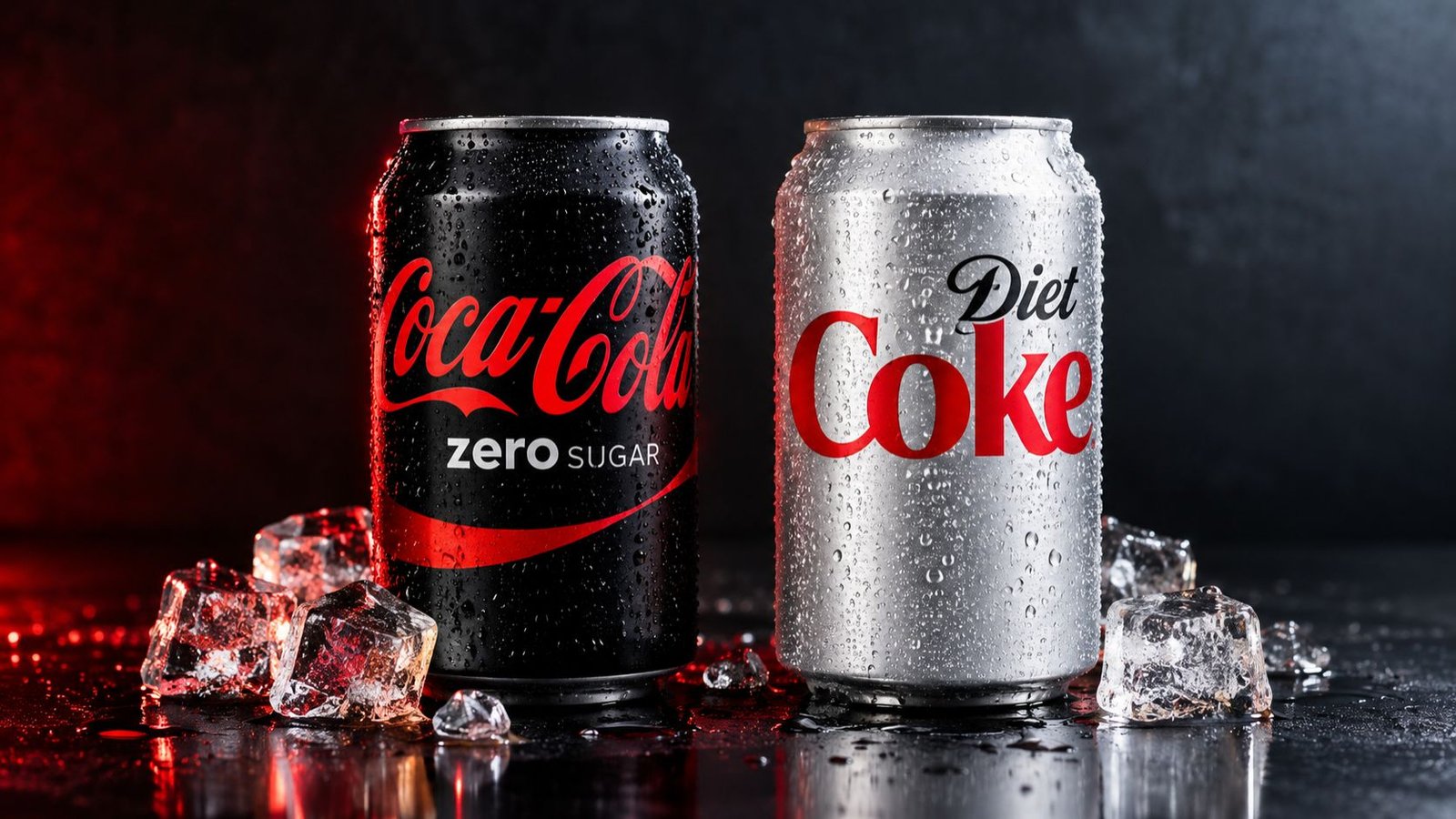
Coke Zero vs Diet Coke: What’s the Real Difference? Ingredients, Taste & Health Compared (2026)
If you’ve ever wondered what’s the difference between Coke Zero and Diet Coke, you’re not alone. Both drinks contain zero sugar, zero calories, and come from Coca-Cola—but they’re not the same product.
The biggest difference is simple: Coke Zero is designed to taste like Original Coca-Cola, while Diet Coke has its own lighter, distinct flavor created from a different recipe.
They also differ in their sweetener blend, ingredient profile, caffeine content, and branding. Here’s everything you need to know before choosing between them.
Bottom Line
If you want the closest sugar-free version of classic Coca-Cola, choose Coke Zero. If you prefer a lighter, crisper cola with its own signature taste, Diet Coke is the better pick. Nutritionally, the two are remarkably similar, so the choice mostly comes down to flavor preference
Coke Zero vs Diet Coke: Quick Comparison
| Feature | Coke Zero | Diet Coke |
|---|---|---|
| Calories | 0 | 0 |
| Sugar | 0 g | 0 g |
| Carbohydrates | 0 g | 0 g |
| Main Sweeteners | Aspartame + Acesulfame Potassium | Aspartame |
| Taste | Closest to Original Coke | Lighter, unique flavor |
| Caffeine (12 oz) | 34 mg | 46 mg |
| Sodium (12 oz) | 40 mg | 40 mg |
| Best For | Classic Coke fans | Fans of Diet Coke’s signature taste |
Caffeine and nutrition values shown are for standard 12-ounce U.S. cans.
What’s the difference between Coke Zero and Diet Coke?
Although they look similar on store shelves, these drinks were created for different reasons.
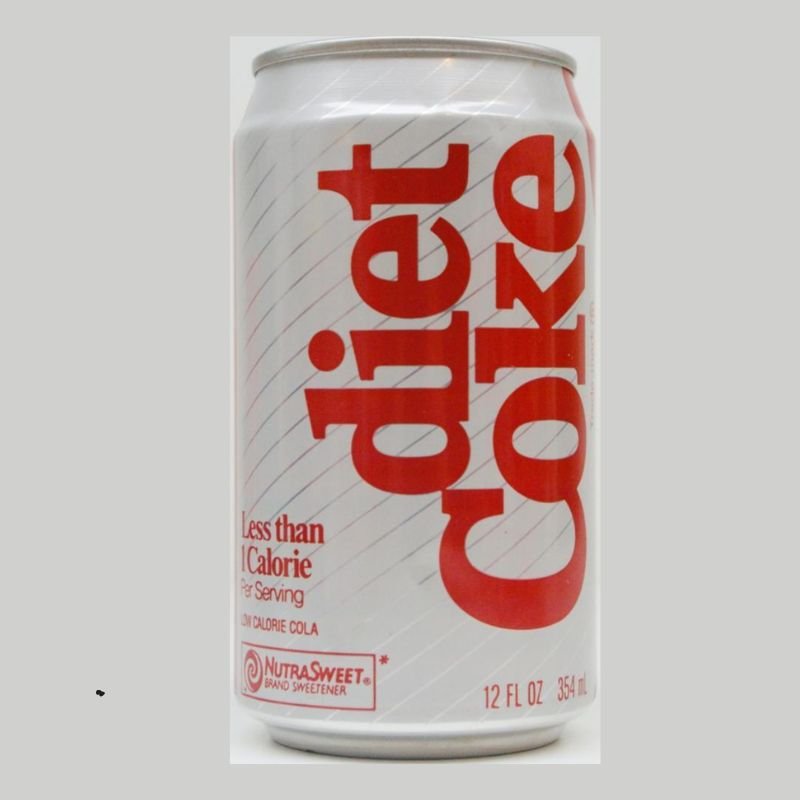
Diet Coke launched in 1982 as Coca-Cola’s first major brand extension. Instead of copying Original Coke, it introduced an entirely new recipe with a lighter taste that quickly developed its own loyal following.
Coke Zero arrived in 2005 to solve a different problem. Coca-Cola wanted a sugar-free drink that tasted much closer to the original red-can Coke. The company later renamed it Coca-Cola Zero Sugar to make its zero-sugar positioning clearer.
So while both drinks eliminate sugar, they’re intentionally made to taste different.
Why does Coke Zero taste more like regular Coke?
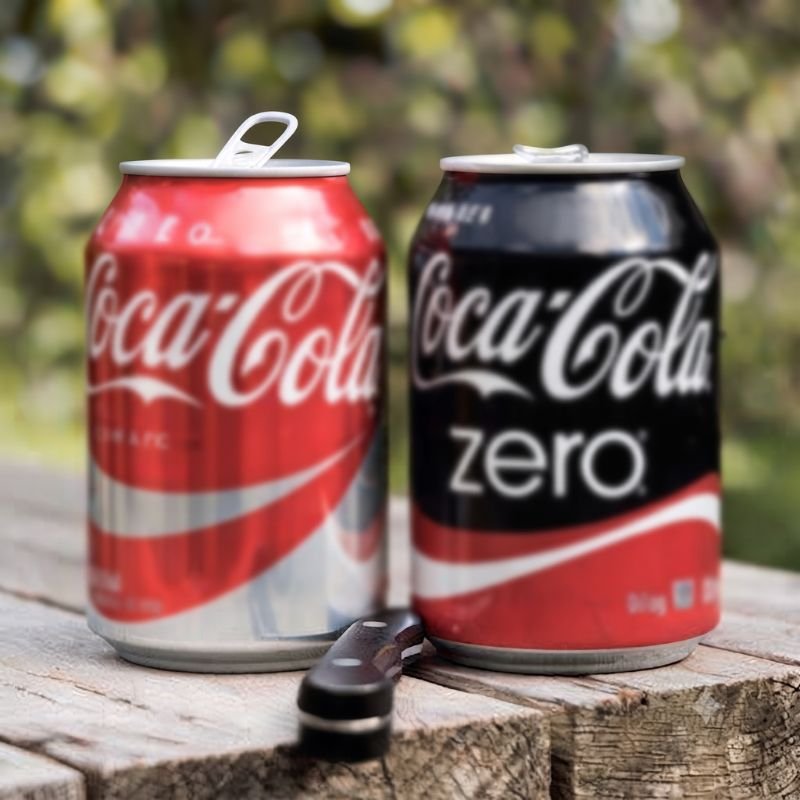
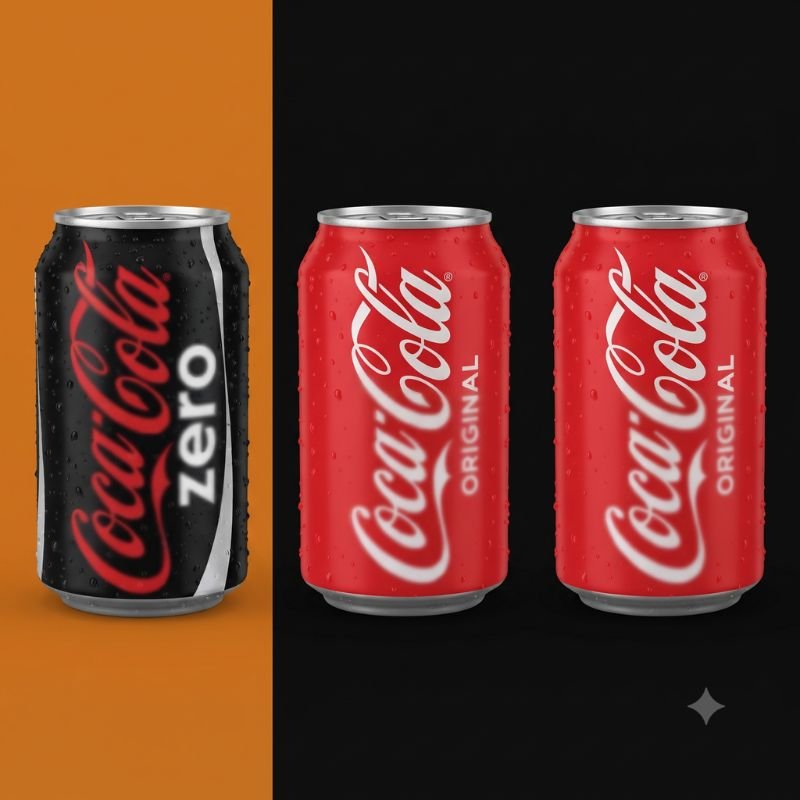
One of the biggest reasons people choose Coke Zero is its similarity to Original Coke.
The difference comes down to its sweetener blend and recipe.
Coke Zero uses:
- Aspartame
- Acesulfame Potassium (Ace-K)
These sweeteners work together to create a sweetness that’s closer to regular sugar, giving Coke Zero a fuller finish and richer cola flavor.
Diet Coke, by contrast, relies primarily on aspartame, resulting in a lighter, crisper taste that’s noticeably different from Original Coke.
Coke Zero ingredients vs Diet Coke ingredients
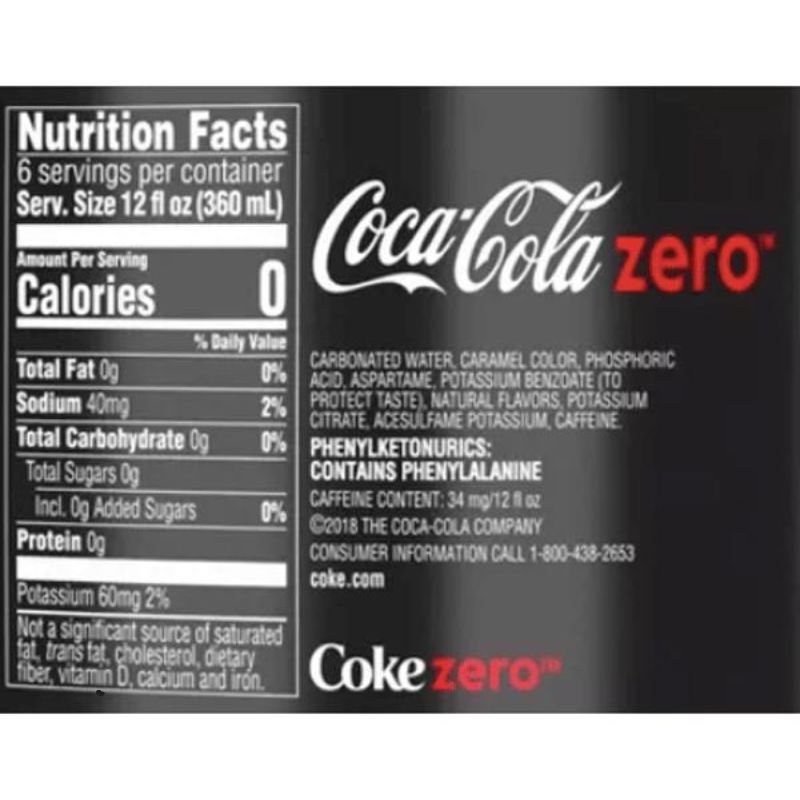
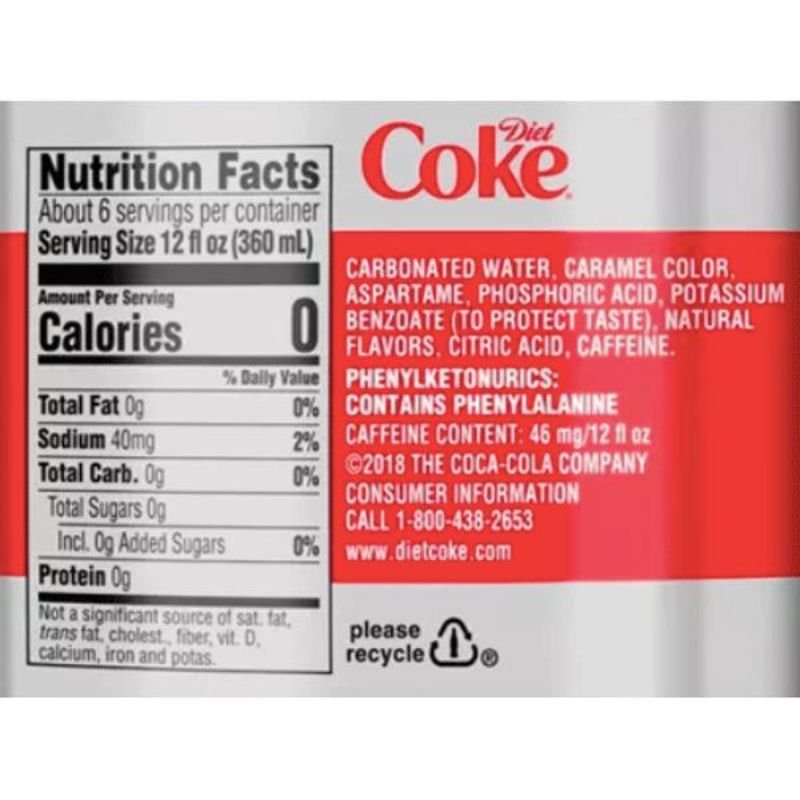
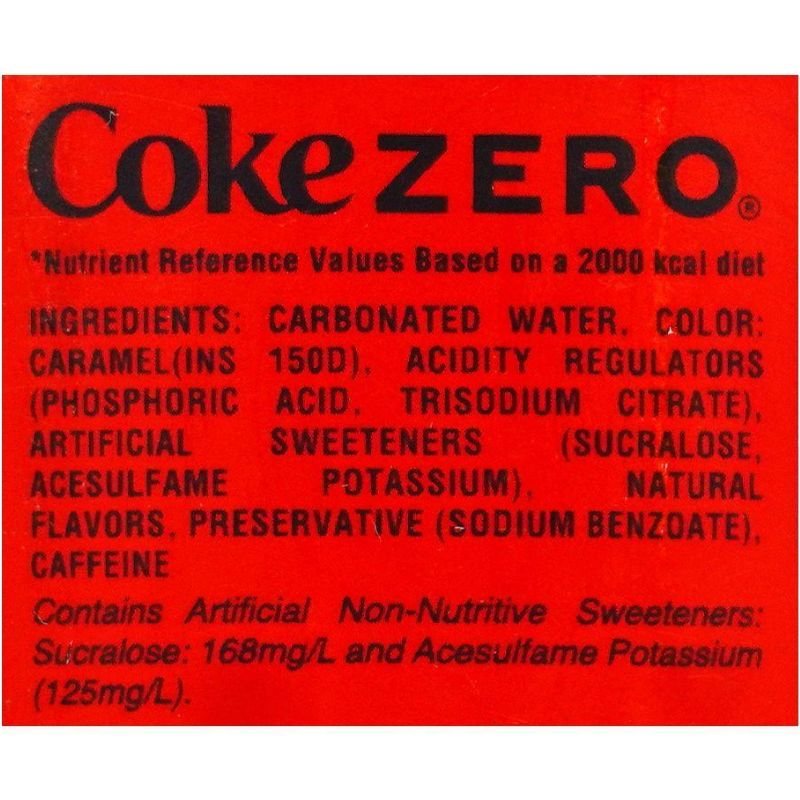
Coke Zero ingredients
A typical U.S. can contains:
- Carbonated water
- Caramel color
- Phosphoric acid
- Aspartame
- Potassium benzoate
- Natural flavors
- Potassium citrate
- Acesulfame potassium
- Caffeine
- Stevia extract (in the current U.S. formulation)
Diet Coke ingredients
A typical U.S. can contains:
- Carbonated water
- Caramel color
- Aspartame
- Phosphoric acid
- Potassium benzoate
- Natural flavors
- Citric acid
- Caffeine
While ingredients vary slightly by country because of local food regulations, both drinks remain sugar-free across markets
Does Coke Zero have aspartame?
Yes.
One of the highest-volume searches around this topic is “Does Coke Zero have aspartame?”
The answer is yes. Coke Zero contains aspartame, but unlike Diet Coke, it also includes acesulfame potassium, which helps create a taste that’s closer to regular Coca-Cola.
What sweetener is in Coke Zero?
Coke Zero is sweetened with a combination of:
- Aspartame
- Acesulfame Potassium (Ace-K)
These are FDA-approved sweeteners used in many sugar-free beverages.
What sweetens Diet Coke?
Diet Coke is primarily sweetened with aspartame in its standard U.S. formulation. Some international versions may use additional approved sweeteners depending on regional regulations.
Coke Zero vs Diet Coke nutrition facts
Nutritionally, the two drinks are almost identical.
Both contain:
- 0 calories
- 0 grams of sugar
- 0 grams of carbohydrates
- 0 grams of fat
- 0 grams of protein
The only meaningful differences are in flavor, sweetener blend, and caffeine—not calories or sugar.
Which has more caffeine?
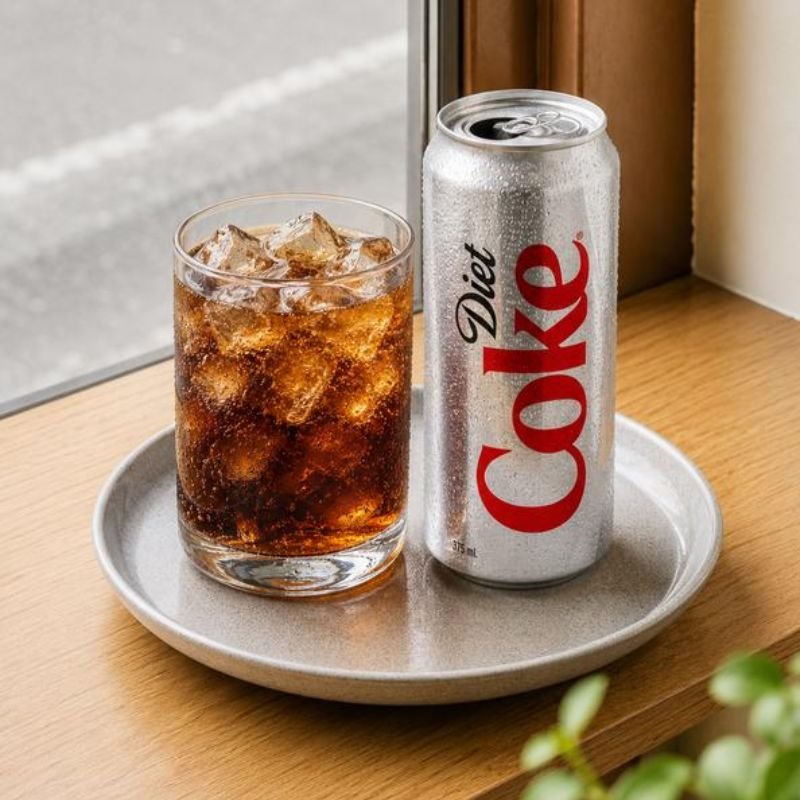
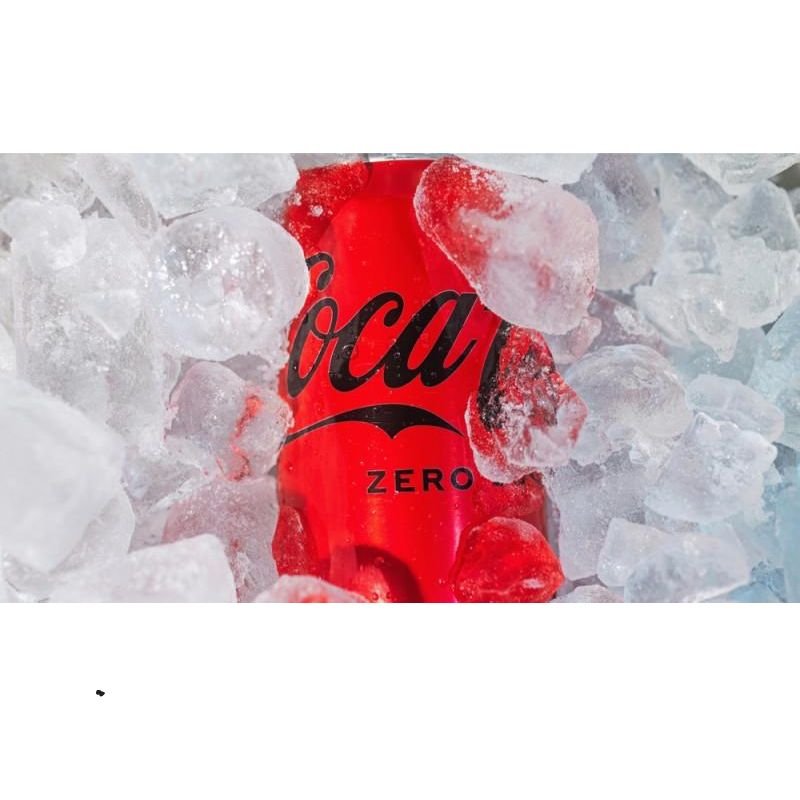
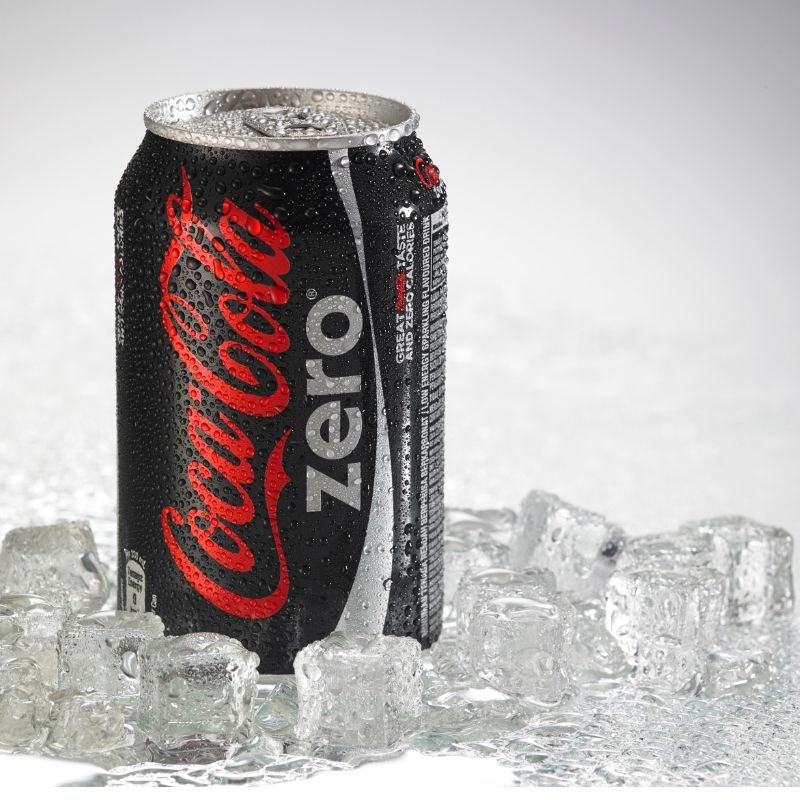
Another common question is:
Does Coke Zero have caffeine?
Yes.
According to Coca-Cola’s official nutrition information for U.S. products:
- Coke Zero: 34 mg per 12-ounce can
- Diet Coke: 46 mg per 12-ounce can Coca-Cola US+1
So if caffeine is your deciding factor, Diet Coke contains slightly more caffeine in the standard U.S. version.
Is Coke Zero healthier than Diet Coke?
This is one of the most searched questions—and the answer is more nuanced than many people expect.
The short answer
Neither drink is clearly healthier than the other.
Both are:
- sugar-free
- calorie-free
- approved for consumption by food safety authorities when consumed within established safety guidelines.
The biggest practical difference is taste—not nutrition.
What about weight loss?
Replacing regular sugary soda with a zero-sugar alternative can help reduce calorie intake. However, no soft drink alone determines weight loss, and overall diet matters far more than choosing between Coke Zero and Diet Coke.
Are artificial sweeteners safe?


Since both drinks contain artificial sweeteners, many people wonder about their safety.
Aspartame
The FDA says that scientific evidence continues to support aspartame’s safety when used under approved conditions. It’s one of the most thoroughly researched food additives available.
Acesulfame Potassium
Ace-K has also been approved by the FDA for use in foods and beverages after safety evaluations.
Important note about PKU
People with phenylketonuria (PKU), a rare inherited disorder, should avoid or limit aspartame because it contains phenylalanine. Both Coke Zero and Diet Coke carry this warning on their packaging.
Why does Coca-Cola sell both drinks?
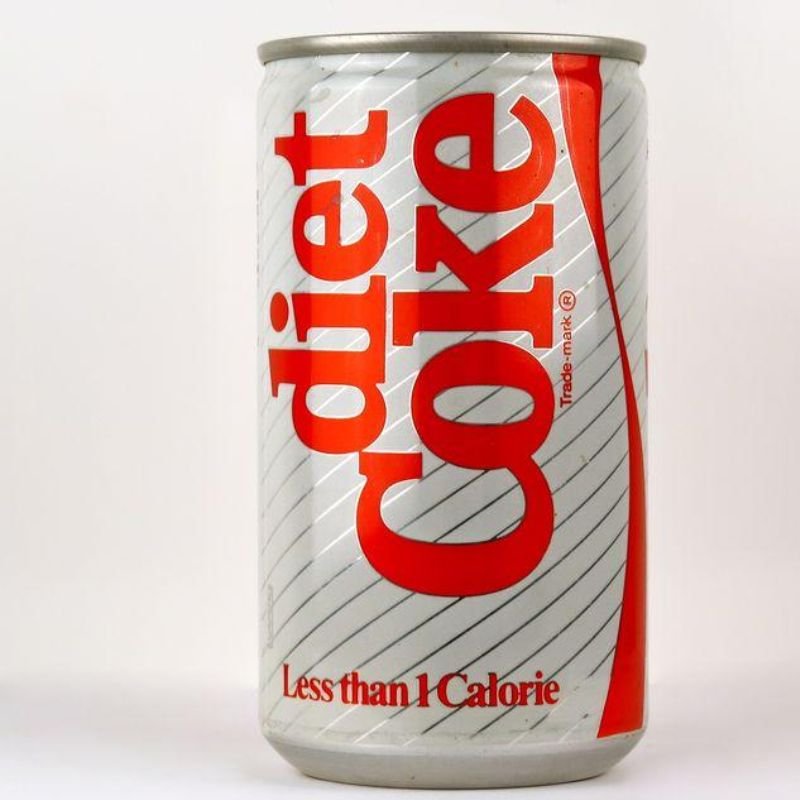
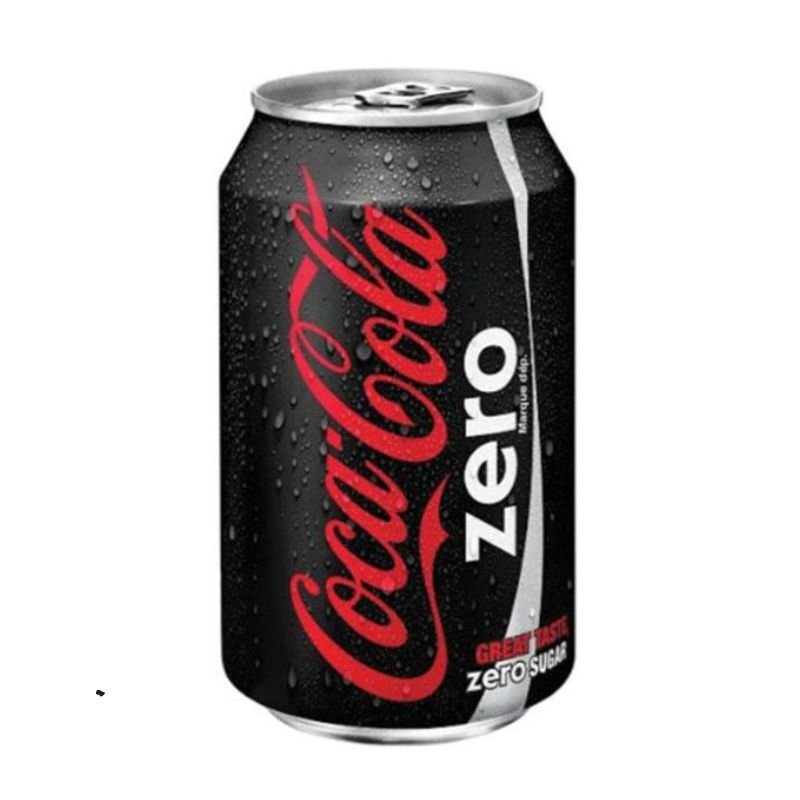
If they’re both sugar-free, why keep two products?
The answer is simple: different audiences prefer different flavors.
Diet Coke became popular because of its unique taste, while Coke Zero attracted consumers looking for a sugar-free drink that feels closer to classic Coca-Cola.
Instead of replacing one with the other, Coca-Cola continues offering both because each has built a loyal fan base over decades.
Regional differences
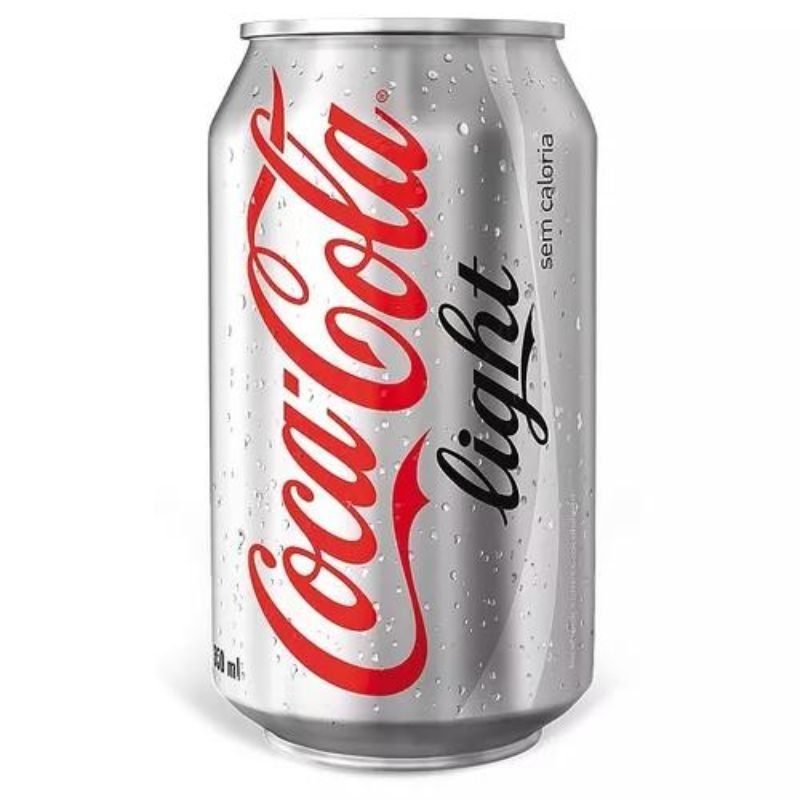
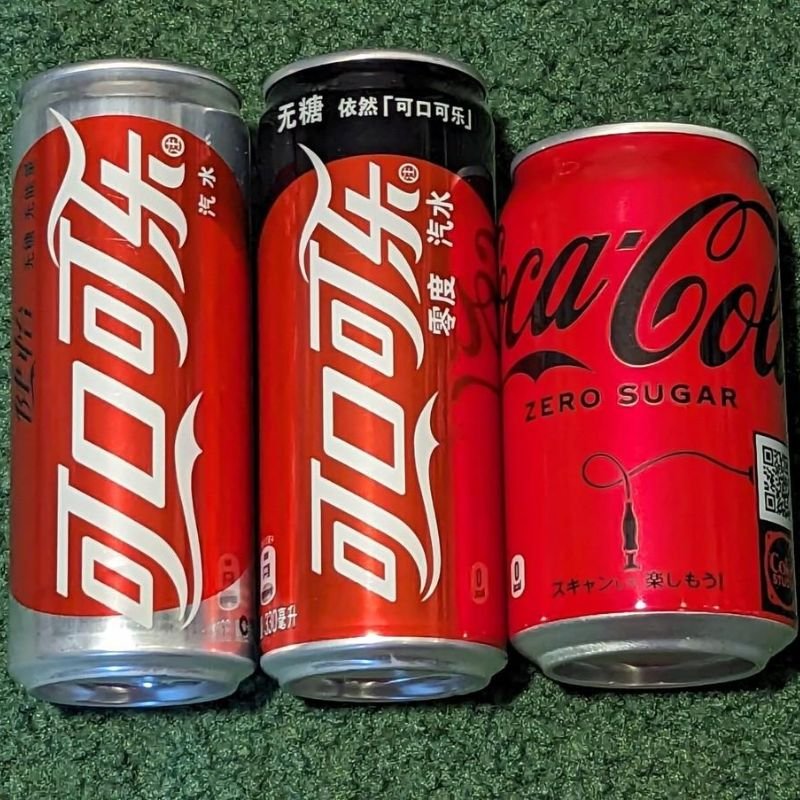
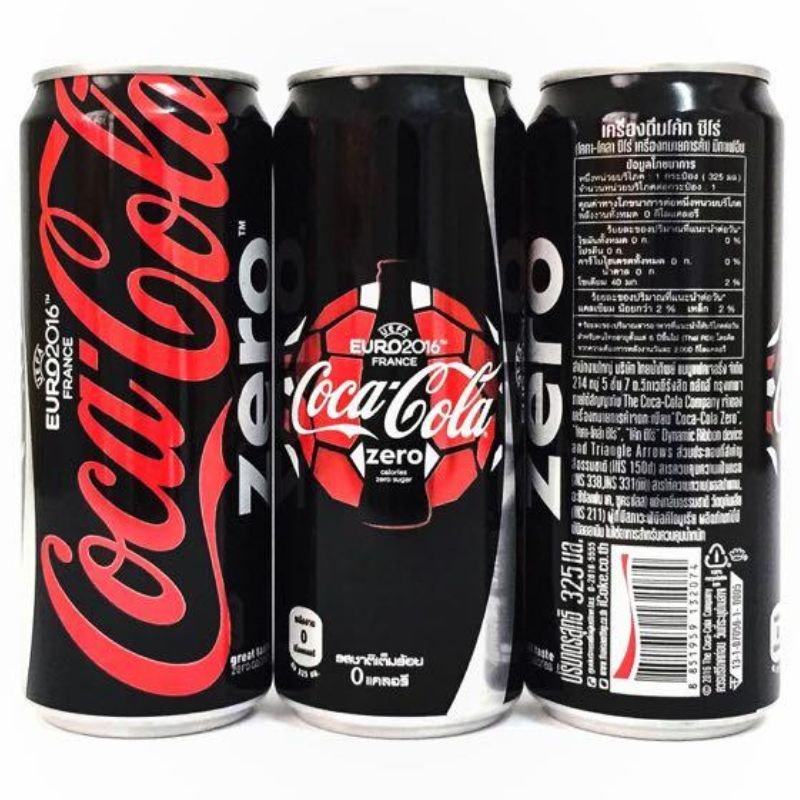
Formulas can vary slightly around the world.
For example:
- Some European markets sell Coca-Cola Light instead of Diet Coke.
- Certain countries use different approved sweetener combinations based on local regulations.
- Ingredient lists may vary while still delivering a zero-sugar product.
These regional differences are generally minor and don’t change the core distinction between the two drinks.
Which tastes better?
Taste is subjective, but here’s how many people describe each.
Coke Zero
- Sweeter
- Fuller-bodied
- More like Original Coke
- Smoother finish
Diet Coke
- Crisp
- Light
- More refreshing
- Distinctive flavor that’s different from classic Coke
If you’re switching from regular Coca-Cola, most people find Coke Zero easier to adapt to.
Common myths
Is Coke Zero the same as Diet Coke?
No. They use different recipes and were created for different taste experiences
Does Diet Coke have sugar?
No. Diet Coke contains 0 grams of sugar.
Does Coke Zero have fake sugar?
It contains artificial sweeteners instead of regular sugar.
Is Coke Zero really zero calories?
Yes. A standard 12-ounce can contains 0 calories according to Coca-Cola’s nutrition facts.
Frequently Asked Questions
Is Coke Zero better than Diet Coke?
If you want the closest taste to Original Coke, choose Coke Zero. If you prefer Diet Coke’s lighter flavor, stick with Diet Coke.
Does Coke Zero contain aspartame?
Yes. It contains both aspartame and acesulfame potassium.
Which has more caffeine?
Diet Coke contains 46 mg, while Coke Zero contains 34 mg per 12-ounce can in the U.S.
Is Diet Coke sugar-free?
Yes. It contains 0 grams of sugar.
Can people with diabetes drink Coke Zero?
Many people with diabetes choose sugar-free drinks because they don’t contain regular sugar. Individual dietary needs vary, so it’s best to follow advice from a healthcare professional.
Is Coke Zero healthier than regular Coke?
Compared with regular Coca-Cola, Coke Zero removes both sugar and calories, making it a lower-calorie alternative for people looking to reduce sugar intake.
Final Verdict
The debate between Coke Zero vs Diet Coke isn’t really about calories—it’s about flavor.
Choose Coke Zero if you want a sugar-free drink that closely resembles Original Coca-Cola. Choose Diet Coke if you enjoy its lighter, more distinctive taste and don’t mind the extra caffeine.
From a nutrition perspective, the differences are minimal. Both contain zero sugar and zero calories, both use FDA-approved sweeteners, and both remain popular choices for people looking to cut back on sugar without giving up carbonated soft drinks.